






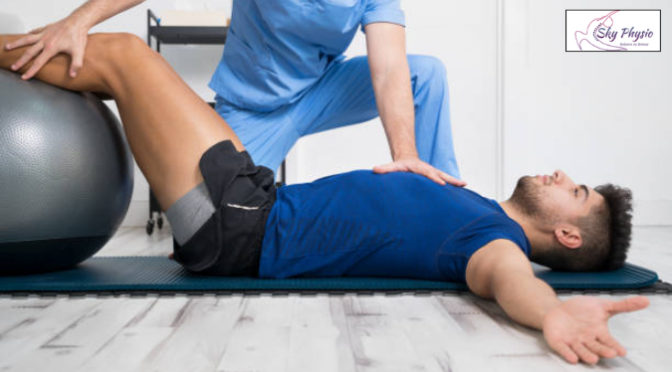
Concussions are a common injury, particularly in contact sports such as rugby, football, and basketball. A concussion is a type of traumatic brain injury (TBI) that occurs when a blow to the head disrupts brain function. The immediate effects are often noticeable, but the recovery process is complex and requires specialised care. One of the most effective ways to recover from a concussion is through sports physiotherapy, which helps manage symptoms, restore balance, and ensure a safe return to sport. In this blog, we will explore how sports physiotherapy aids in the recovery process and why it is essential for athletes recovering from a concussion.
Understanding the Role of Sports Physiotherapy in Concussion Recovery
Sports physiotherapists are trained to treat various injuries, including concussions. When an athlete sustains a concussion, a physiotherapist’s role extends beyond just addressing physical symptoms. They are crucial in managing the concussion recovery process, providing tailored rehabilitation programs to ensure the brain heals properly and safely.
1. Assessing the Extent of the Injury
The first step in recovery is assessing the severity of the concussion. A sports physiotherapy professional will evaluate the symptoms and determine the most appropriate course of treatment. This often includes tests to assess balance, coordination, vision, and cognitive function. Once the physiotherapist has a comprehensive understanding of the injury, they can tailor a recovery plan suited to the individual’s needs.
2. Managing Symptoms and Promoting Brain Rest
In the early stages following a concussion, sports physiotherapy in Pakenham focuses on promoting brain rest. This means avoiding activities that might overstimulate the brain, such as intense physical exertion or screen time. Physiotherapists instruct athletes on the significance of rest and closely monitor their symptoms to prevent any actions that could impede their recovery.
3. Gradual Return to Physical Activity
Once an athlete has rested sufficiently and is symptom-free, the best sports physiotherapy in Pakenham facilitates a gradual return to physical activity. This phase involves light exercise, such as walking or stationary cycling, to stimulate the brain gently and improve blood flow. The physiotherapist monitors how the athlete responds to these activities, ensuring no symptoms like dizziness or headaches reappear. This gradual increase in physical exertion helps the brain recover without risking further injury.
4. Restoring Balance and Coordination
A concussion can often disrupt balance and coordination. Sports physiotherapy in Pakenham is vital in helping athletes regain these abilities. Physiotherapists implement targeted exercises that focus on improving proprioception (the body’s sense of movement and spatial orientation) and balance. This process is important not only for the athlete’s recovery but also to prevent further injuries when they return to their sport.
5. Cognitive and Mental Health Support
Many athletes experience mental health challenges, such as anxiety or difficulty concentrating, after a concussion. Sports physiotherapy helps manage these issues by incorporating cognitive exercises that stimulate brain function. Additionally, physiotherapists can guide athletes in managing stress, anxiety, and mood swings through mindfulness practices, ensuring a holistic approach to recovery.
Why Choose the Best Sports Physiotherapy for Concussion Recovery?
While many physiotherapists treat concussions, choosing the best sports physiotherapy professional ensures a tailored, comprehensive recovery plan. Highly skilled physiotherapists, who specialise in sporting injuries, are better equipped to understand the intricacies of concussion recovery. They provide evidence-based treatments, stay up to date with the latest recovery techniques, and offer a holistic approach to healing. With their help, athletes can recover safely and return to their sport stronger and more confident.
Concussions require careful and professional management to ensure a safe and full recovery. Sports physiotherapy plays a pivotal role in concussion rehabilitation, providing vital support through symptom management, gradual return to activity, balance restoration, and cognitive support. By choosing the best sports physiotherapy services, athletes can ensure they are receiving the most effective treatment, reducing the risk of long-term complications. If you’ve experienced a concussion, consulting a qualified sports physiotherapist is essential to returning to peak performance while safeguarding your long-term health.
Get In Touch With Us Today
If you’ve suffered a concussion, don’t wait to get the right care. SKY PHYSIO offers expert sports physiotherapy to help you recover safely and effectively. For more information, contact us at 0489233321 or email us at info@skyphysio.com.au.
2. What types of exercises are used in sports physiotherapy for concussion recovery?
Sports physiotherapy for concussion recovery includes balance and coordination exercises, light aerobic activity, neck strengthening exercises, and cognitive rehabilitation to gradually ease the athlete back into physical activity
3. How does physiotherapy help with balance problems after a concussion?
A concussion can affect the inner ear and brain, leading to balance issues. Physiotherapists use targeted exercises that challenge and restore balance, coordination, and spatial awareness to help patients regain their footing safely
4. Can sports physiotherapy help with mental health after a concussion?
Yes, sports physiotherapy includes mental health support by helping athletes cope with stress, anxiety, and mood swings through relaxation techniques, mindfulness exercises, and cognitive challenges.
5. How does physiotherapy assist in managing post-concussion headaches?
Physiotherapists can help manage post-concussion headaches through techniques such as manual therapy, neck exercises, and posture correction, which address the physical sources of tension that may contribute to headaches.
6. Can I return to sport right after I finish physiotherapy for a concussion?
No, a gradual return to sport is essential. A physiotherapist will guide you through a step-by-step process that ensures you're ready to resume physical activity without risking further injury.
7. What’s the role of cognitive exercises in concussion recovery?
Cognitive exercises help restore brain function affected by a concussion. Physiotherapists use activities that challenge memory, concentration, and problem-solving skills to stimulate the brain's recovery.
8. How does physiotherapy help prevent future concussions or head injuries?
Physiotherapy strengthens the muscles surrounding the neck and head, improving stability and reducing the risk of further injury. It also teaches athletes proper techniques for avoiding head impacts during sports activities.
9. How long does it take to fully recover from a concussion with physiotherapy?
The recovery time varies depending on the severity of the concussion and the individual’s health. On average, with appropriate physiotherapy, recovery can take from a few weeks to a couple of months. Your physiotherapist will monitor progress and ensure safe, gradual recovery.
10. How do I choose the right sports physiotherapist for concussion recovery?
Choose a physiotherapist with experience in treating concussions and sports injuries. Look for someone who is trained in concussion management, understands the latest recovery techniques, and offers a holistic approach to rehabilitation.