







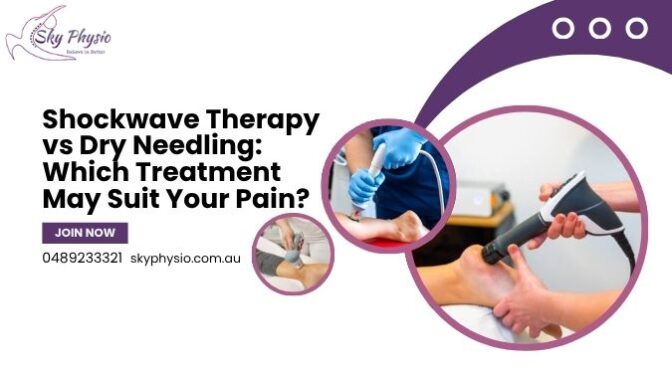
Chronic pain, muscle tightness, and sports-related injuries can significantly affect your daily activities and quality of life. Fortunately, modern physiotherapy offers a range of effective treatment options designed to reduce pain, improve mobility, and support long-term recovery. Two commonly recommended therapies are shockwave therapy and dry needling. While both treatments aim to relieve pain and restore function, they work in different ways and may be suitable for different conditions.
Understanding how each treatment works can help you make an informed decision about your rehabilitation journey. Whether you are dealing with persistent tendon pain, muscle knots, or a sports injury, knowing the differences between these therapies can guide you toward the most appropriate solution.
What Is Shockwave Therapy?
Shockwave therapy is a non-invasive treatment that uses high-energy acoustic waves to stimulate healing in injured tissues. The treatment targets areas of chronic pain and promotes increased blood flow, tissue regeneration, and the body’s natural healing response.
Many patients seeking shockwave therapy in Pakenham choose this treatment for conditions such as plantar fasciitis, Achilles tendinopathy, tennis elbow, shoulder pain, and chronic tendon injuries. Shockwave therapy is particularly beneficial for conditions that have not responded well to traditional treatments.
Benefits of Shockwave Therapy
- Non-invasive treatment with no injections or surgery
- Stimulates natural tissue healing
- Improves blood circulation
- Reduces chronic pain and inflammation
- Supports faster recovery from tendon-related conditions
What Is Dry Needling?
Dry needling is a physiotherapy technique that involves inserting fine, sterile needles into trigger points or tight muscle bands. The goal is to release muscle tension, improve movement, and reduce pain caused by muscular dysfunction.
Unlike acupuncture, which is based on traditional Chinese medicine, dry needling is grounded in modern anatomical and physiological principles. It is commonly used to treat muscle tightness, sports injuries, neck pain, back pain, and postural issues.
Benefits of Dry Needling
- Relieves muscle tension and trigger points
- Improves flexibility and range of motion
- Reduces muscular pain and stiffness
- Enhances recovery from sports and overuse injuries
- Complements exercise-based rehabilitation programs
Shockwave Therapy vs Dry Needling: Key Differences
While both treatments aim to reduce pain, they address different underlying causes.
Shockwave therapy is generally more effective for chronic tendon injuries and long-standing musculoskeletal conditions. It stimulates tissue repair and regeneration, making it an excellent choice for patients experiencing persistent pain related to tendons and connective tissues.
Dry needling, on the other hand, is often preferred for muscle-related issues. If your pain is caused by muscle knots, trigger points, or tightness, dry needling may provide quicker relief by targeting the affected muscles directly.
Patients considering shockwave therapy in Warragul often benefit from a comprehensive assessment by a physiotherapist who can determine whether their condition is tendon-related, muscle-related, or a combination of both.
Which Treatment May Be Right for You?
The most suitable treatment depends on the nature of your condition, symptoms, and recovery goals. In some cases, physiotherapists may even combine shockwave therapy and dry needling as part of a personalised rehabilitation plan to achieve optimal results.
A professional physiotherapy assessment can identify the root cause of your pain and recommend the most effective treatment strategy tailored to your needs.
Both shockwave therapy and dry needling are valuable physiotherapy treatments that can help reduce pain, improve movement, and support recovery. Shockwave therapy is often ideal for chronic tendon conditions, while dry needling is highly effective for muscular pain and tension. Understanding the differences between these treatments can help you choose the most appropriate path toward long-term pain relief and improved function.
Make An Appointment Today
Contact SKY PHYSIO today to learn whether shockwave therapy or dry needling is right for your condition. Our experienced team is dedicated to helping you move better, recover faster, and live pain-free.
Call us at 0489233321 or email us at info@skyphysio.com.au for more information.
FAQs about Shockwave Therapy
- What is the main difference between shockwave therapy and dry needling?
Shockwave therapy uses acoustic sound waves to stimulate tissue healing and reduce pain, while dry needling uses fine needles to release muscle trigger points and reduce muscular tension.
- Which conditions are commonly treated with shockwave therapy?
Shockwave therapy is often used for plantar fasciitis, Achilles tendinopathy, tennis elbow, shoulder tendinopathy, calcific tendonitis, and other chronic tendon-related conditions.
- What conditions can dry needling help treat?
Dry needling is commonly used for muscle tightness, trigger points, neck pain, back pain, sports injuries, headaches, and movement restrictions caused by muscular dysfunction.
- Is shockwave therapy painful?
Most patients experience mild discomfort during treatment, particularly around sensitive areas. However, the discomfort is usually temporary and decreases as healing progresses.
- Does dry needling hurt?
Dry needling may cause a brief twitch response or mild soreness when the needle reaches a trigger point. Most patients tolerate the treatment well, and any discomfort is generally short-lived.
- Which treatment provides faster pain relief?
Dry needling may offer quicker relief for muscle-related pain and tension, while shockwave therapy often focuses on long-term healing and recovery for chronic tendon conditions.
- How many treatment sessions are usually required?
The number of sessions depends on the condition being treated, its severity, and the patient’s response to treatment. Your physiotherapist will recommend a personalised treatment plan after assessment.
- Can shockwave therapy and dry needling be used together?
Yes. In some cases, physiotherapists combine both treatments to address tendon injuries and muscle dysfunction simultaneously, helping improve overall recovery outcomes.
- Who should avoid shockwave therapy or dry needling?
Certain medical conditions, medications, pregnancy, or specific health concerns may affect treatment suitability. A qualified physiotherapist will assess your medical history before recommending either treatment.
- How do I know which treatment is right for my pain?
A professional physiotherapy assessment is the best way to determine the cause of your pain. Your physiotherapist can identify whether the issue is tendon-related, muscle-related, or both, and recommend the most effective treatment option.