








The National Disability Insurance Scheme (NDIS) offers various services to support individuals living with mobility issues. While the focus is often on physical health, the role of NDIS physiotherapy in supporting mental health and well-being is equally important. Physiotherapy is not just about improving mobility or managing pain; it plays a significant role in enhancing emotional health and promoting a positive mental state. In this blog, we’ll explore how NDIS physiotherapy contributes to mental health, improves quality of life, and helps individuals regain independence.
Connection Between Physical and Mental Health
There is a well-established connection between physical and mental health. For individuals living with mobility issues, managing physical health can directly impact their emotional well-being. Physical therapy can reduce pain, improve mobility, and enhance overall physical function. Addressing these aspects boosts self-esteem, reduces anxiety, and improves mood.
People with chronic pain or mobility problems, for instance, frequently feel depressed, anxious, or frustrated because of their limitations. NDIS physiotherapy in Melbourne helps by offering personalised interventions that improve physical health, which in turn leads to better mental health outcomes.
How Does NDIS Physiotherapy Enhance Mental Health?
- Improving Independence
One of the key benefits of NDIS physiotherapy is its ability to improve independence. By targeting physical limitations and enhancing mobility, physiotherapists help individuals regain their ability to perform daily activities. Whether it’s walking, lifting, or simply moving around the house, improved mobility promotes a sense of accomplishment and autonomy, both of which have a positive impact on mental well-being. - Stress Relief
NDIS physiotherapy offers various techniques such as massage, stretches, and exercises designed to reduce muscle tension and alleviate stress. Chronic tension or pain can be a significant contributor to mental health issues such as anxiety and depression. The best physiotherapy in Melbourne provides relief, not only improving physical function but also reducing the mental stress that comes with physical discomfort. - Building Confidence
As individuals see improvements in their physical abilities, they often experience a boost in confidence. This confidence extends beyond the physical realm, influencing their emotional and social interactions. Individuals may feel more comfortable engaging with others and pursuing activities they once thought impossible, such as joining social events or participating in hobbies. - Managing Chronic Pain and Mental Health
Chronic pain is a common issue for many NDIS participants. Pain can cause isolation, frustration, and feelings of helplessness, contributing to mental health struggles. NDIS Physiotherapy is key in addressing these pain issues through targeted exercises, posture correction, and rehabilitation. By managing pain effectively, physiotherapy helps reduce the emotional burden associated with it, enhancing overall mental well-being.
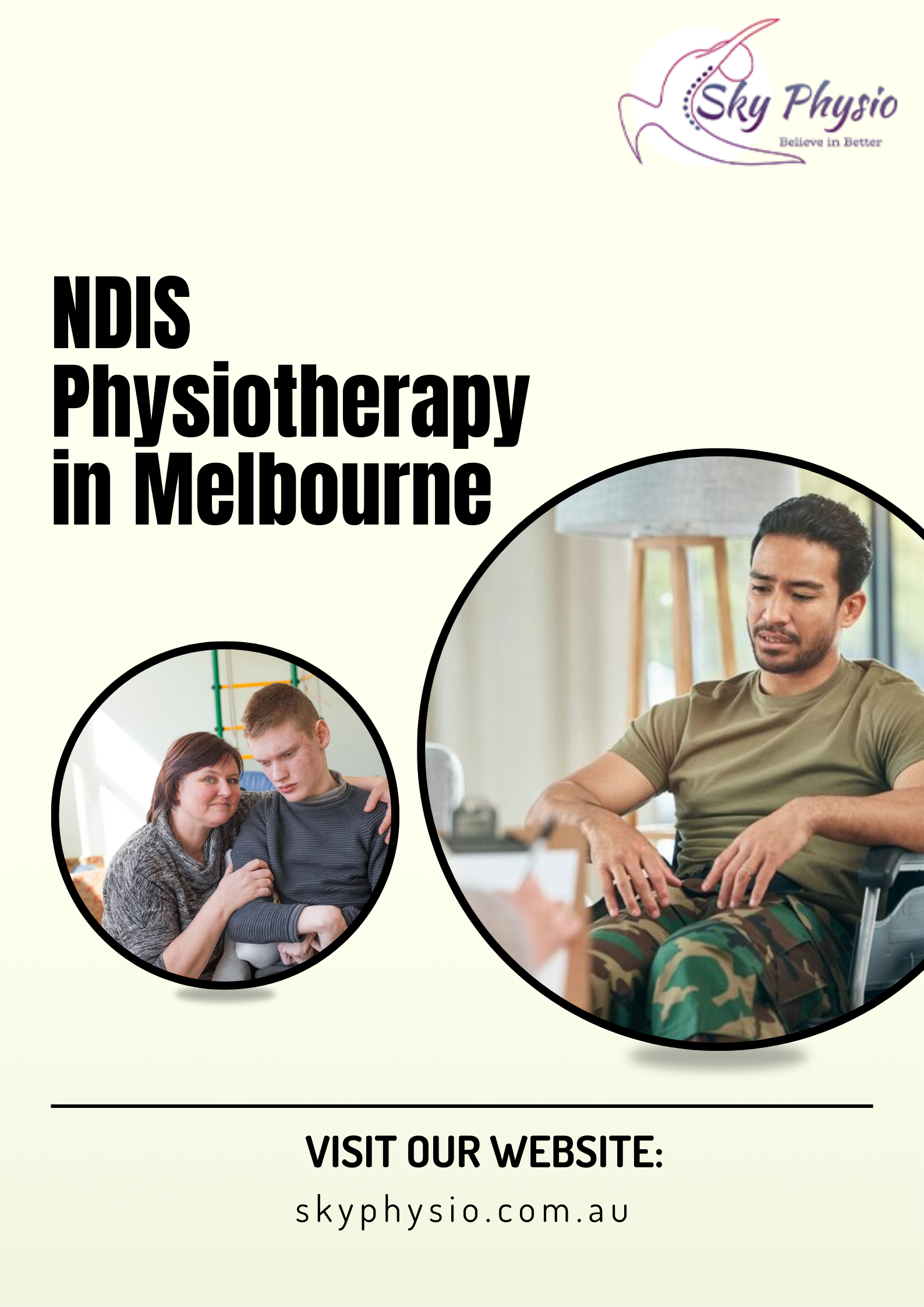
Best Physiotherapy Practices for Mental Health Support
Not all physiotherapy approaches are the same, and it’s crucial to find the best physiotherapy methods tailored to the individual’s needs. Some of the best physiotherapy techniques that support mental health include:
- Cognitive Behavioural Therapy (CBT) combined with Physiotherapy: This approach addresses both the mental and physical aspects of health, offering holistic support.
- Aquatic Physiotherapy: Water-based exercises can be highly therapeutic, reducing the impact on joints and muscles while providing mental relaxation.
- Mindfulness and Relaxation Techniques: Integrating mindfulness with physiotherapy exercises can help calm the mind and reduce anxiety.
Choosing the right physiotherapist is crucial to achieving the best results. Look for a professional who is experienced in providing disability home care in Melbourne, incorporating both physical rehabilitation and mental health support.
NDIS physiotherapy is an invaluable service for those living with mobility issues, not only for improving physical health but also for supporting mental health and well-being. Through targeted treatments, physiotherapists help individuals manage pain, regain independence, and improve their overall quality of life. As a result, NDIS Physiotherapy plays a pivotal role in fostering mental health, reducing anxiety, and promoting a positive outlook on life. If you or someone you know is struggling with a disability, consider the comprehensive benefits of NDIS physiotherapy, and take the first step towards better mental health and well-being.
Book An Appointment Today
If you’re ready to experience the benefits of NDIS physiotherapy for mental health and well-being, contact SKY PHYSIO today. For more information, contact us at 0489233321 or email us at info@skyphysio.com.au.
Can NDIS physiotherapy help with anxiety and depression?
Yes, physiotherapy can help alleviate anxiety and depression by reducing physical discomfort, promoting relaxation, and enhancing movement, which contributes to improved emotional health and well-being.
How does improving physical mobility support mental health?
Improved physical mobility boosts independence, reduces feelings of helplessness, and increases self-esteem. This leads to greater confidence, social engagement, and a positive impact on mental health.
What types of physiotherapy techniques can support mental health?
Physiotherapy techniques like massage therapy, stretching, strengthening exercises, and posture correction are effective in reducing tension, pain, and stress, which contribute to better mental health.
How does NDIS physiotherapy help with chronic pain management?
Chronic pain can contribute to mental health issues like anxiety and depression. NDIS Physiotherapy offers pain management techniques, such as targeted exercises and manual therapy, which help reduce pain and improve mental well-being.
Can NDIS physiotherapy improve my confidence?
Yes, by improving physical health and mobility, NDIS physiotherapy can enhance confidence. As you regain abilities and independence, you’ll likely feel more positive about your physical and emotional health.
How does physiotherapy reduce stress levels?
Physiotherapy techniques like relaxation exercises, muscle stretches, and massage therapy help reduce muscle tension and promote relaxation, leading to reduced stress and anxiety levels.
What role does physiotherapy play in rehabilitation for people with disabilities?
NDIS physiotherapy helps individuals with mobility issues regain physical function, manage pain, and improve mobility. This service supports both physical and mental rehabilitation, improving quality of life and mental health.
Can NDIS physiotherapy provide long-term benefits for mental well-being?
Yes, regular physiotherapy sessions can lead to long-term improvements in physical health, which significantly impact mental well-being. Over time, it can help manage stress, anxiety, and pain and promote overall emotional stability.
How can I access NDIS physiotherapy services for mental health support?
You can access NDIS physiotherapy services by including physiotherapy in your NDIS plan. Work with your plan manager or support coordinator to find an NDIS-registered physiotherapist who can address both your physical and mental health needs.